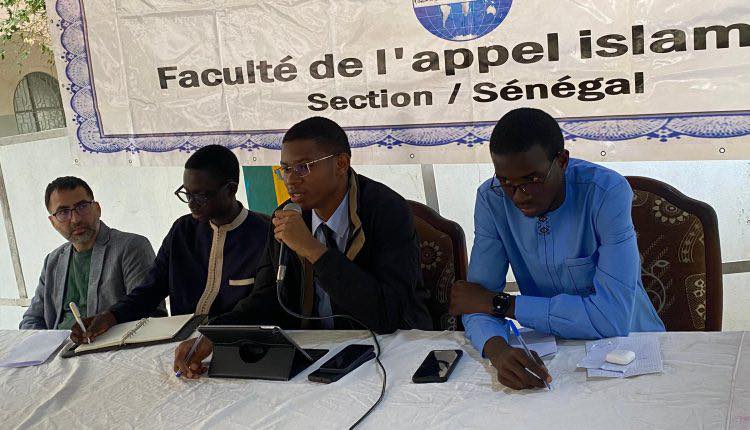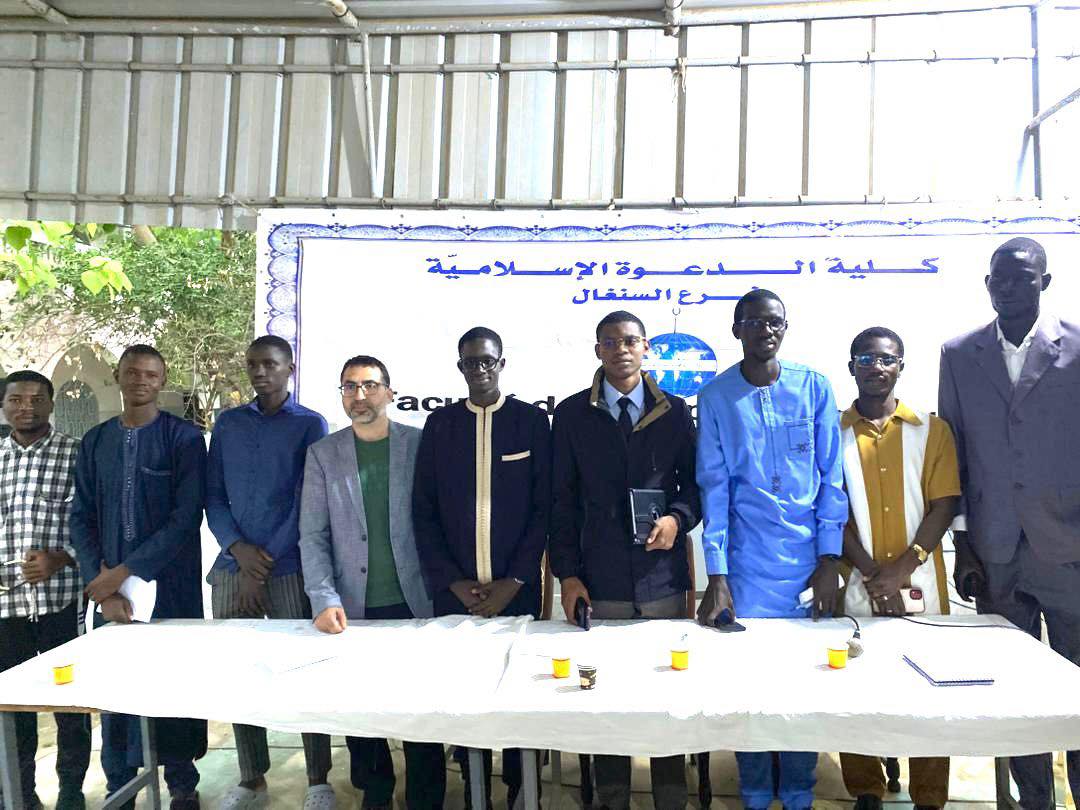
The Islamic Call College – Senegal Branch, located in the city of Bir, hosted an academic lecture titled: “Challenges Facing the Future of Arabists: Challenges and Proposed Solutions.”
Bir, Thiès – Dakar News
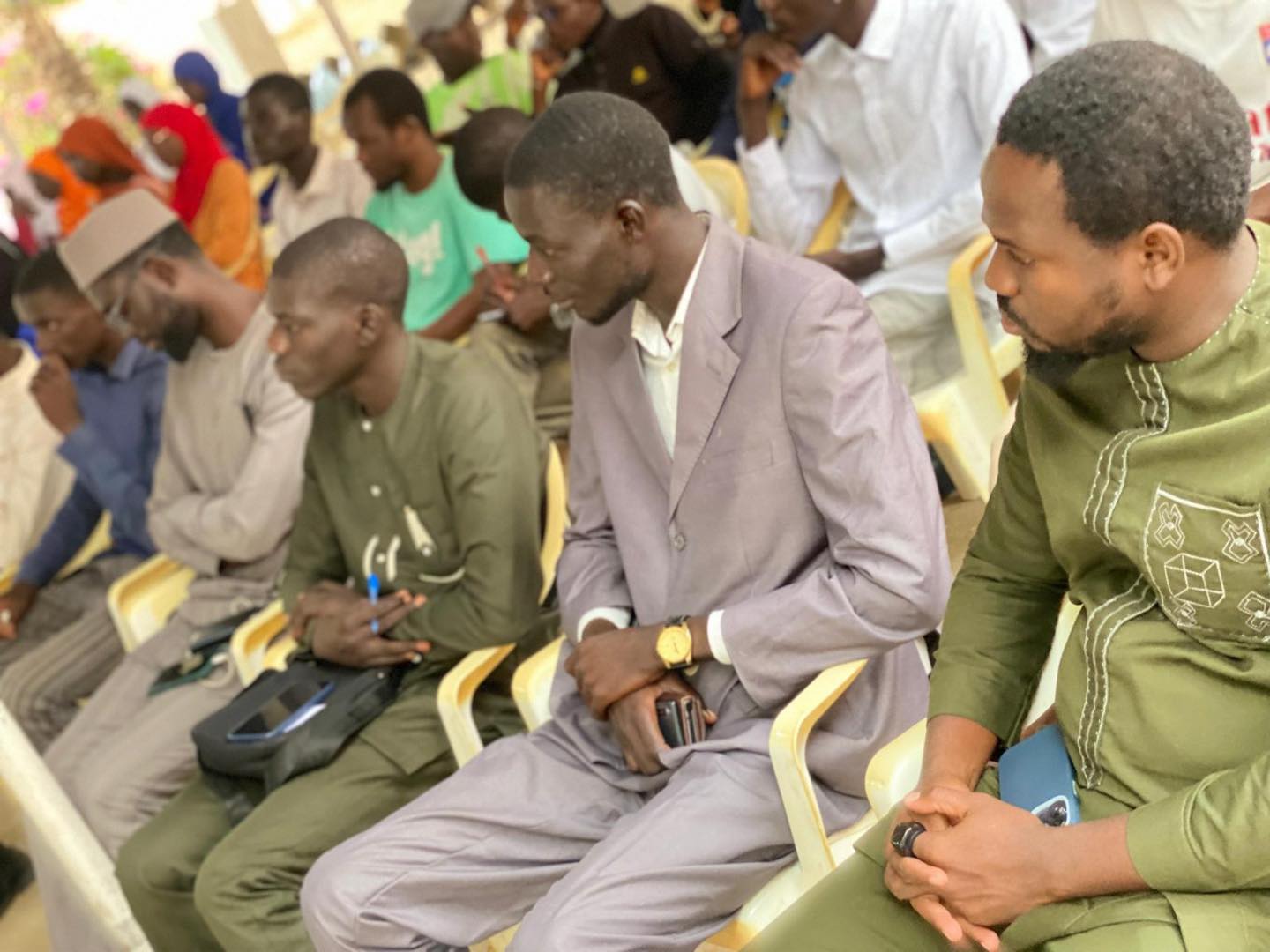
The Islamic Call College – Senegal Branch, in the city of Bir, organized an academic lecture addressing the current situation of Arabists in Senegal and the challenges facing their academic and professional future. The event was held within an academic framework aimed at diagnosing existing issues and proposing possible solutions.
The lecture paper was presented by Professor Ben Omar Sow, in the presence of Professor Mohamed Al-Bashir Sow, President of the Arabic Language Club at Cheikh Anta Diop University, who attended as the guest of honor. The event also featured the participation of Mr. Ismail Kaya, a representative of the Al-Khayrat Waqf from Turkey. Discussions focused on several issues related to the status of graduates of Arabic education within Senegalese society.
The lecturer addressed the persistent perception linking the Arabic language to limited employment opportunities, despite the graduation of large numbers of Arabists in various academic disciplines. He highlighted forms of institutional and professional marginalization faced by graduates of Arabic education, stressing the need for fundamental reforms in educational curricula to align them with labor market requirements. He also emphasized the importance of linking the Arabic language to economics and development, rather than viewing it as a professional obstacle.
The lecture further underscored the importance of vocational training and practical skills alongside academic achievement. Students were encouraged to diversify their fields of specialization, learn additional languages, and engage with modern technological fields. The speaker affirmed that advancing the Arabic language cannot be achieved through sentiment alone, but through scientific competence and professional qualification.
In his remarks, Mr. Ismail Kaya highlighted the close relationship between the Arabic language and Islamic culture, emphasizing that Arabic is essential for understanding religion and its teachings. As a foreign resident in Senegal, he expressed his admiration for the country and his affection for its people, noting that his daily experiences in the streets and markets of Dakar demonstrate the strong presence of the Arabic language in society, as he is able to communicate with people in Arabic without difficulty. He added that the proportion of Arabic speakers in Senegal appears realistic based on this direct interaction, describing the meeting as fruitful and beneficial for exchanging views on the reality of Arabists.
In his intervention as guest of honor, student Mohamed Al-Bashir Sow stressed that despite the religious and cultural dimensions of the Arabic language, it should not be confined to this sphere alone, but rather employed as a gateway to various scientific and professional fields. He also emphasized the need for equal opportunities between graduates of Arabic education and others, asserting that academic competence should not be measured solely by the language of instruction.
He called on students to develop their individual and collective skills and to strengthen coordination among Arabic language students across universities and institutes in Senegal, enabling them to advocate for their legitimate rights through institutional frameworks.
The lecture concluded that addressing the situation of Arabists in Senegal requires a comprehensive approach based on educational reform, skills development, openness to the labor market, and strengthening the institutional presence of graduates of Arabic education, in order to ensure their effective integration into the national development process.